
2024, 30 x 12 x 10 inches, wood (fir), linseed oil and pigment
The work belongs to an ongoing series examining the language of natural history — the specimen, the label, the display case — and what it means to name and contain a living thing. Each piece in the Species series is treated as an artifact of a taxonomy that doesn’t exist, a record of something that may or may not have once been real.
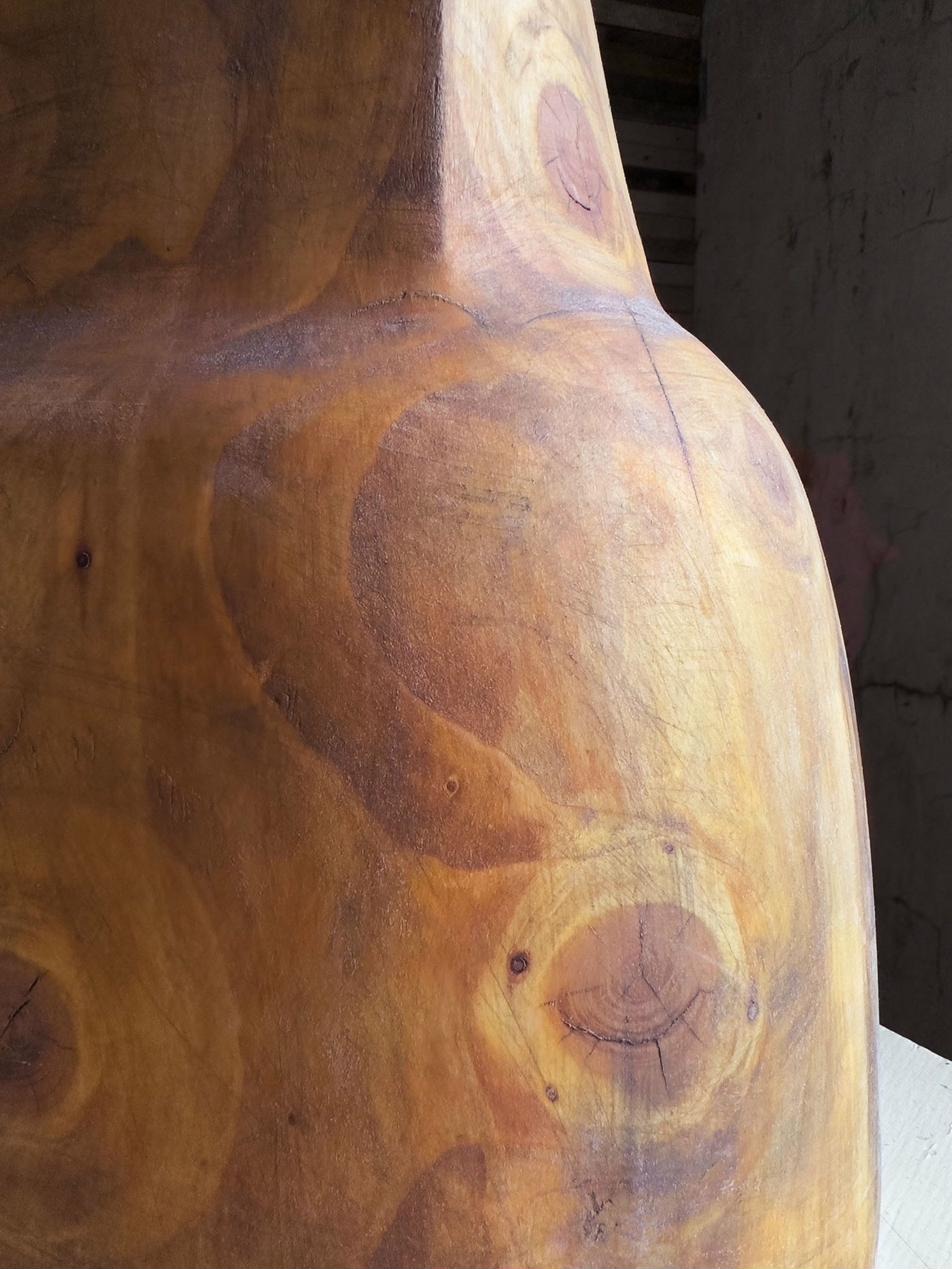
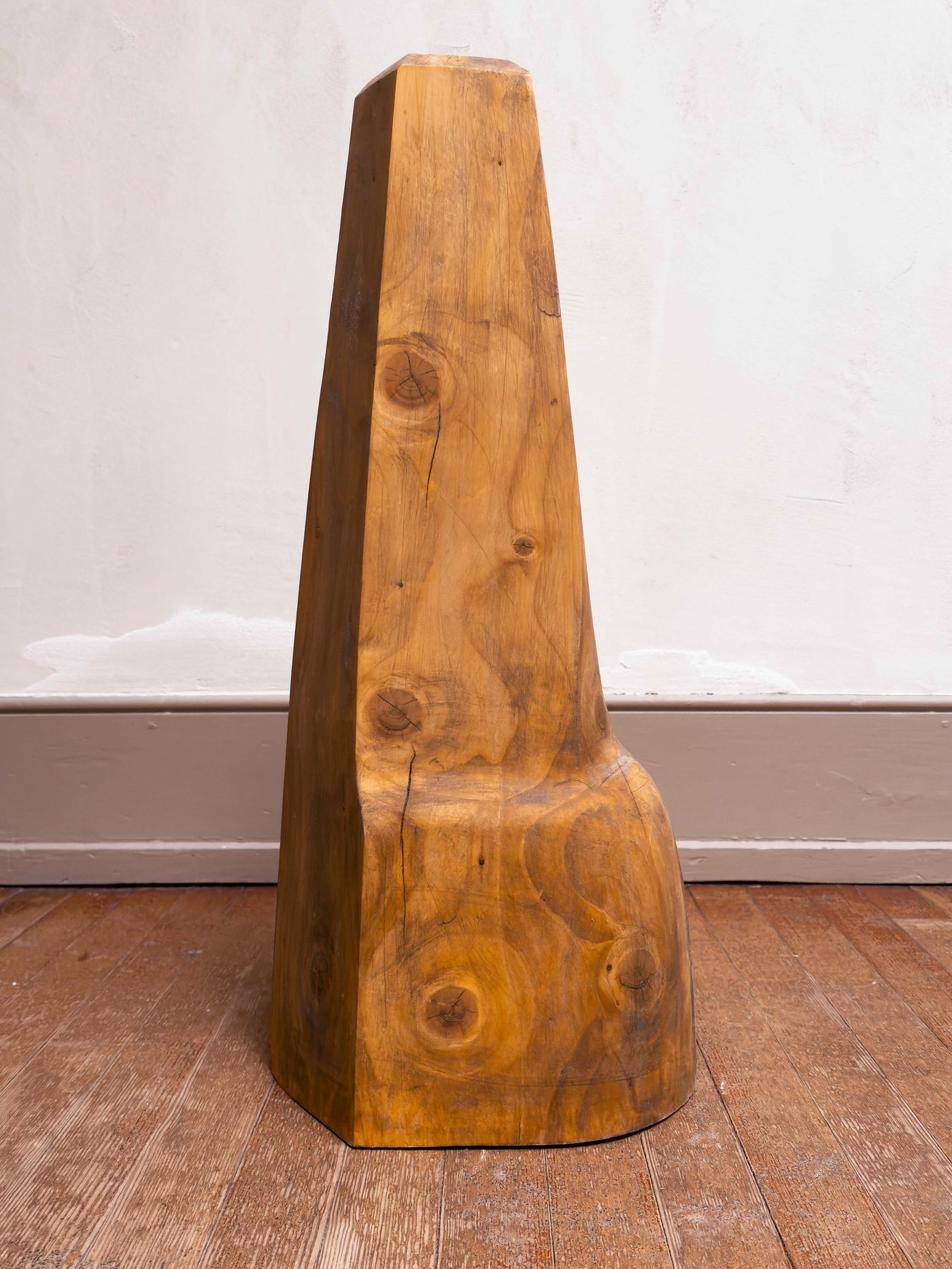
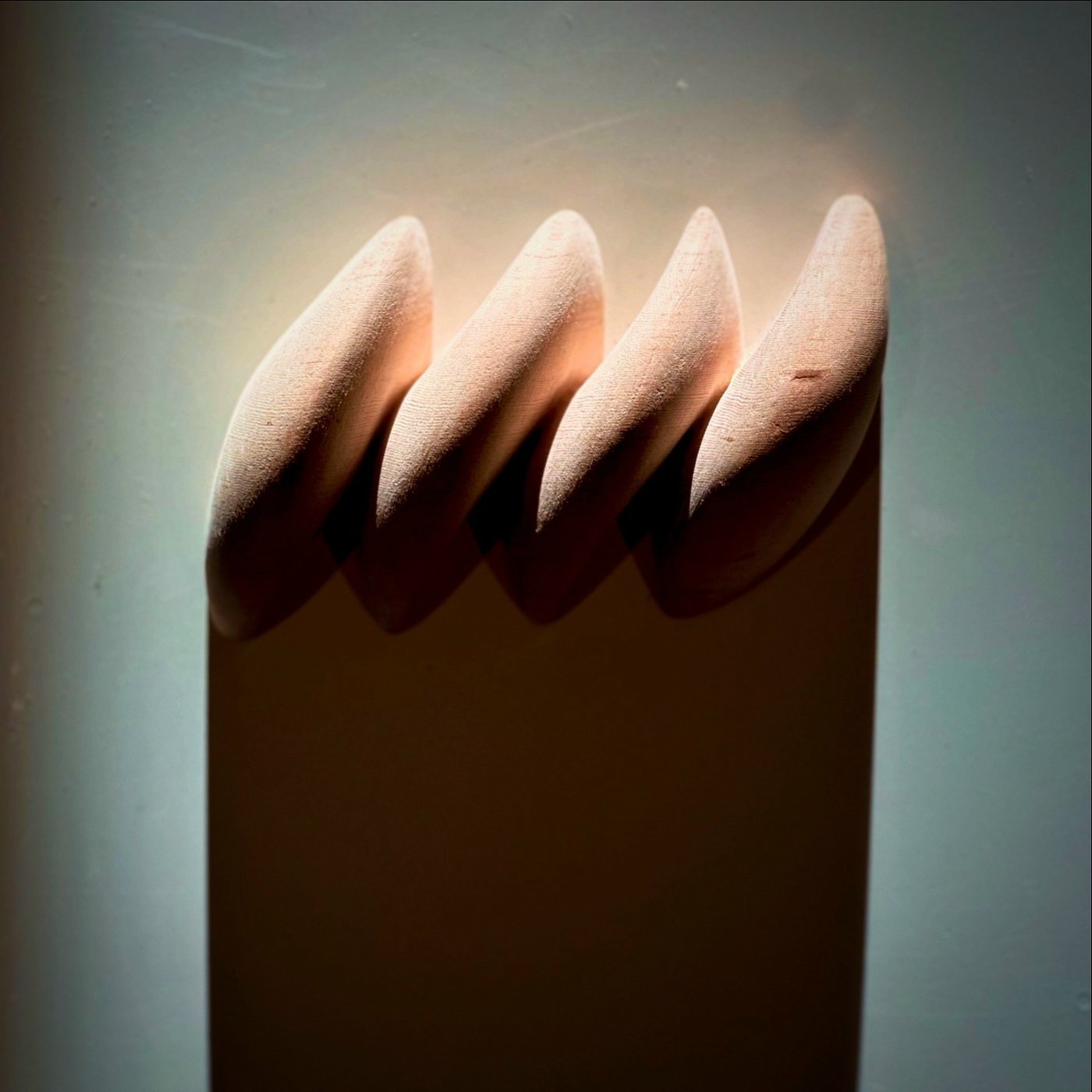
The surface is treated with successive layers of linseed oil and dry pigment, rubbed and abraded until the color becomes something closer to a stain than a coating. The forms are carved from dimensional lumber — fir chosen for its grain and its associations with construction, with the ordinary, with things built to be used rather than looked at.
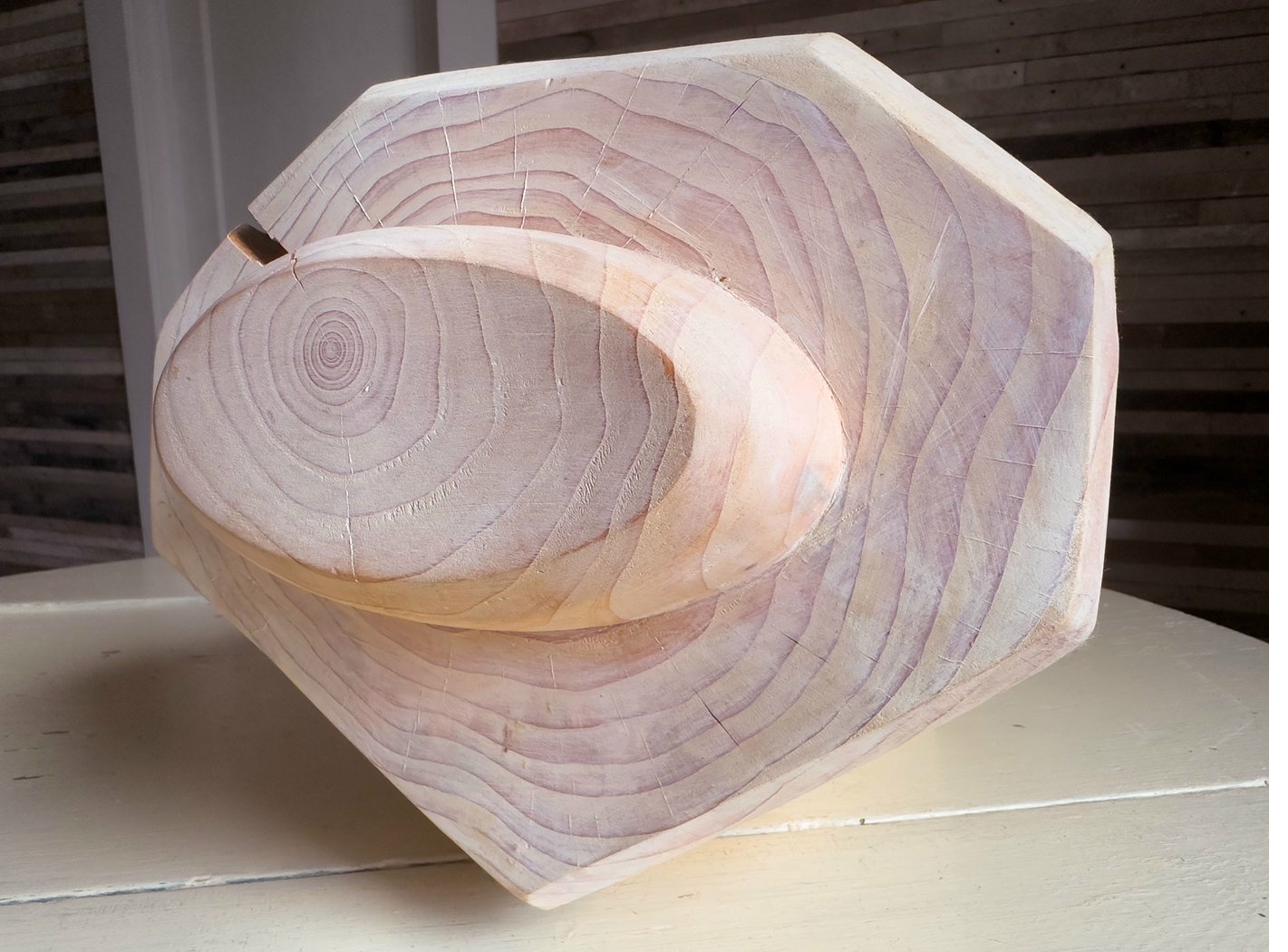
The title draws from two entries in an invented field guide: coffin (a form that holds) and hoof (a form that strikes the ground). Together they suggest a creature that is both container and instrument — something that carries its own end within it.
The series began in 2021 as a response to a period of sustained looking at natural history collections, particularly the backroom storage of institutions where specimens accumulate without audience. There is something in the gap between the care of preservation and the indifference of storage that feels worth returning to.
The following demonstrates the aside layout with multiple stacked images in the left column.
When multiple image filenames are listed in the aside tag, they stack vertically in the left column. The text column to the right remains top-aligned with the first image and does not scroll with the image stack — it simply occupies its natural height.
This behavior is useful when the left-column images together are taller than the accompanying text, or when a sequence of views of the same object is appropriate. The images share the same column width and stack with a small gap between them.
Further dummy text to extend the right column for comparison. The intention here is to observe how the grid handles the case where the text runs longer than the image stack, and whether the spacing below the block feels consistent with the rest of the post body.
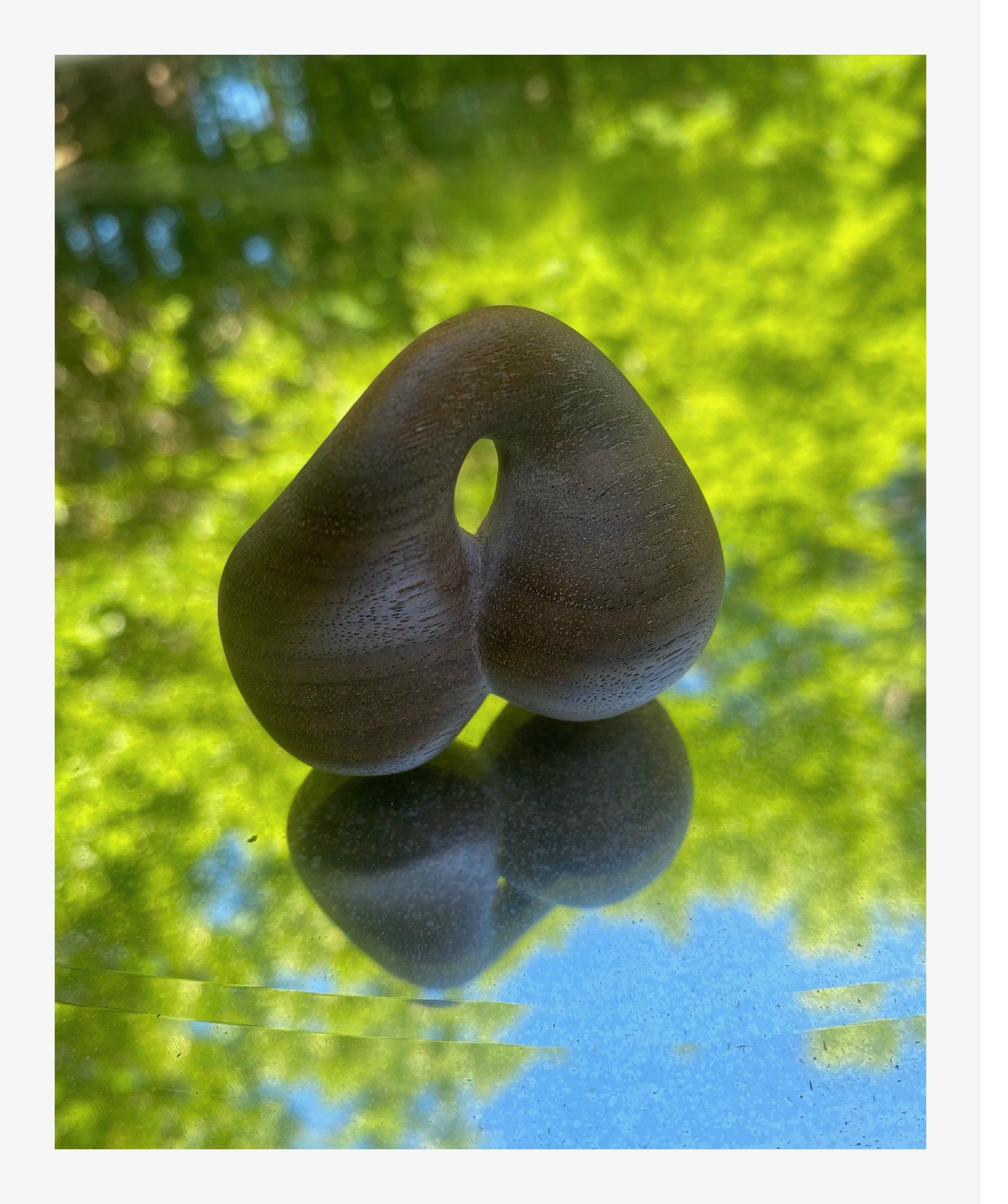
The following demonstrates the grid-tall layout (3:4 portrait crop). Use this when your images are taller than wide — crop them to portrait orientation before uploading.
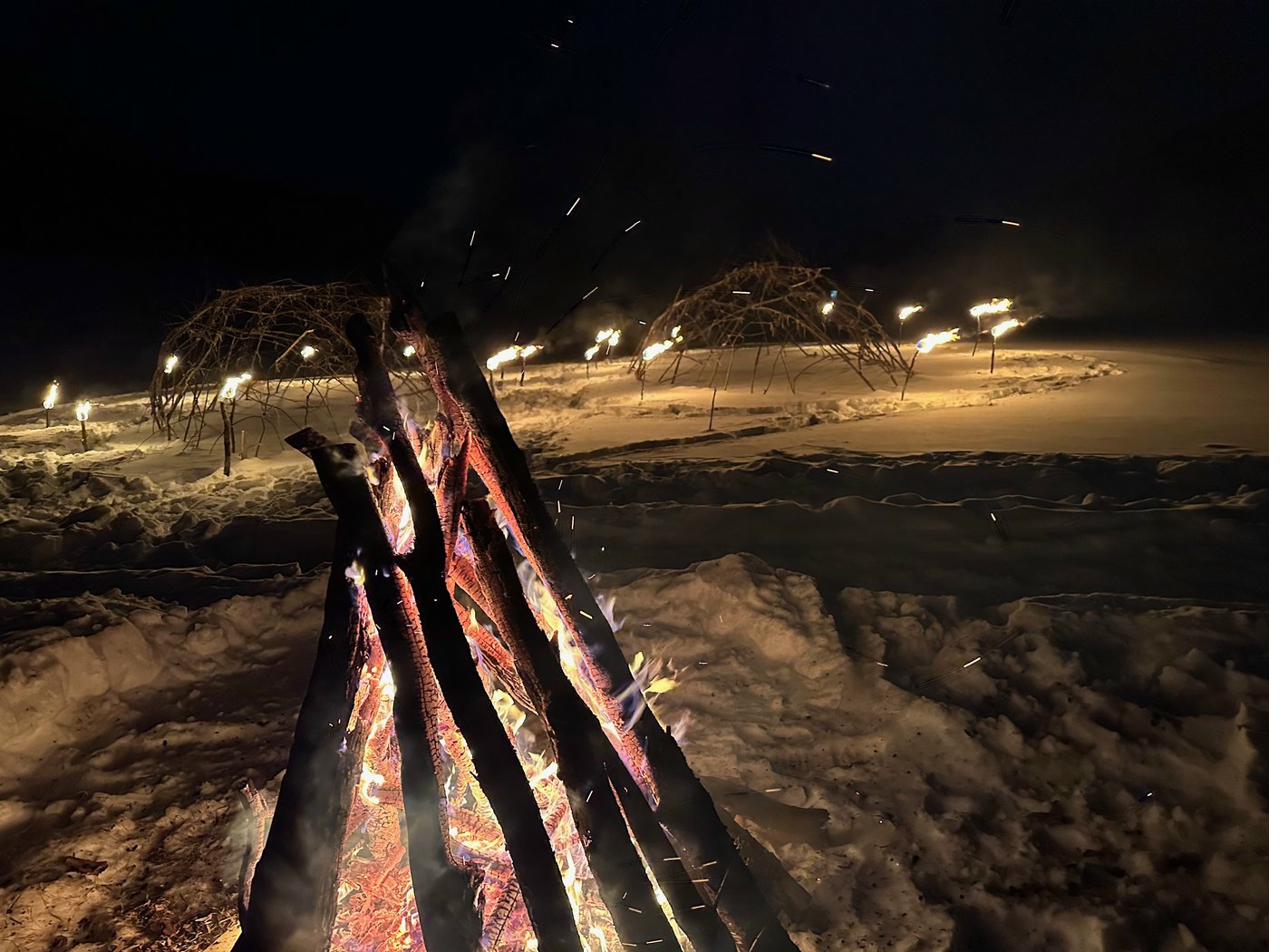
The following demonstrates the grid-sq layout (1:1 square crop). Use this when you want a uniform square presentation regardless of original proportions.
Further paragraphs of body copy to test the rhythm of the text column at length. EB Garamond at this size should read warmly and without fatigue. The spacing between paragraphs, the color of the text against the background, and the relationship between the body text and the images above should all be legible from this test page.